Professional Hard Drive Data Recovery Services
Certified clean-room engineers for mechanical, electrical, and firmware failures on all HDD brands.
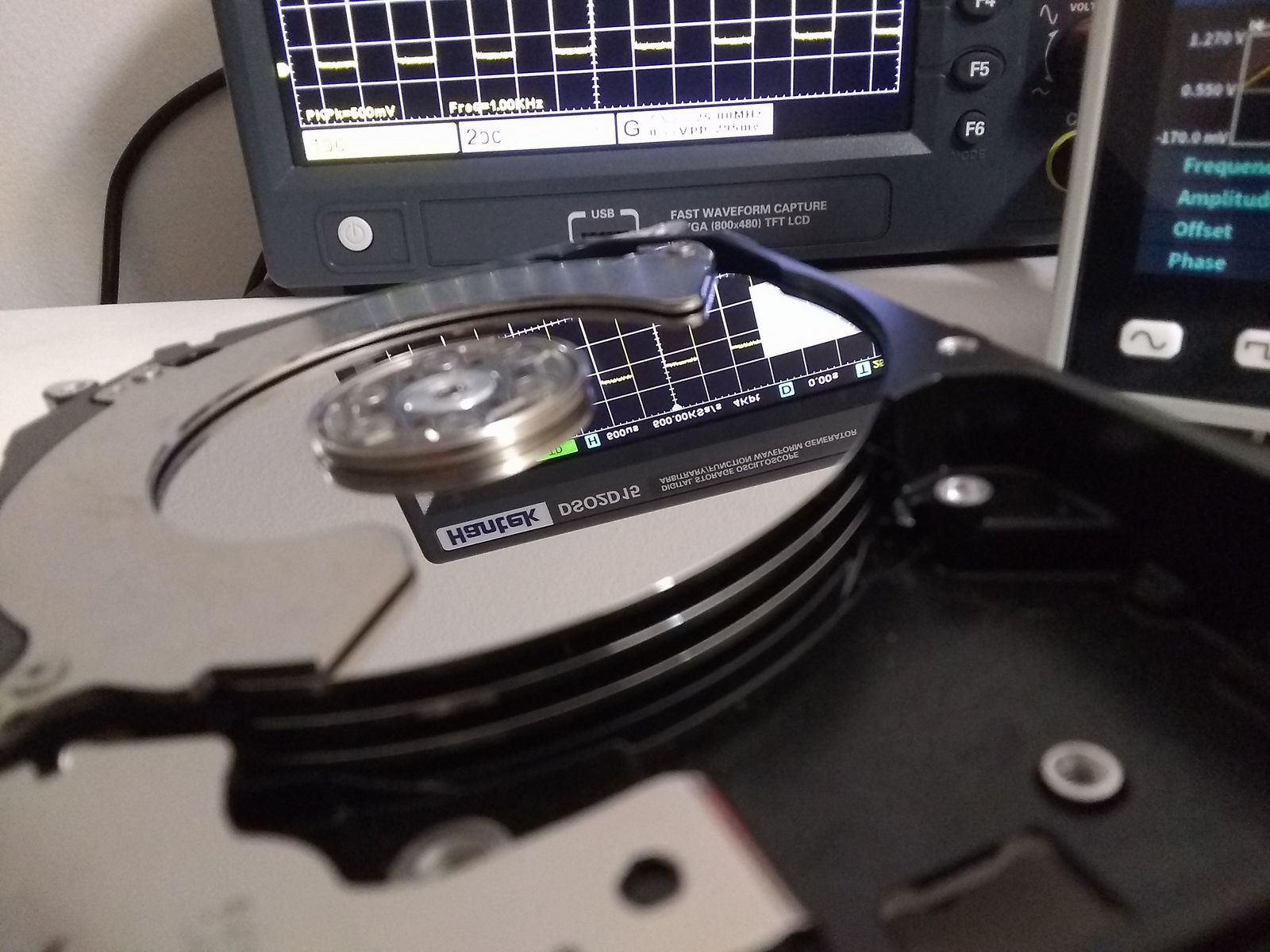
Mechanical Repair
Donor platter and head assembly swaps inside our secure cleanroom environment.
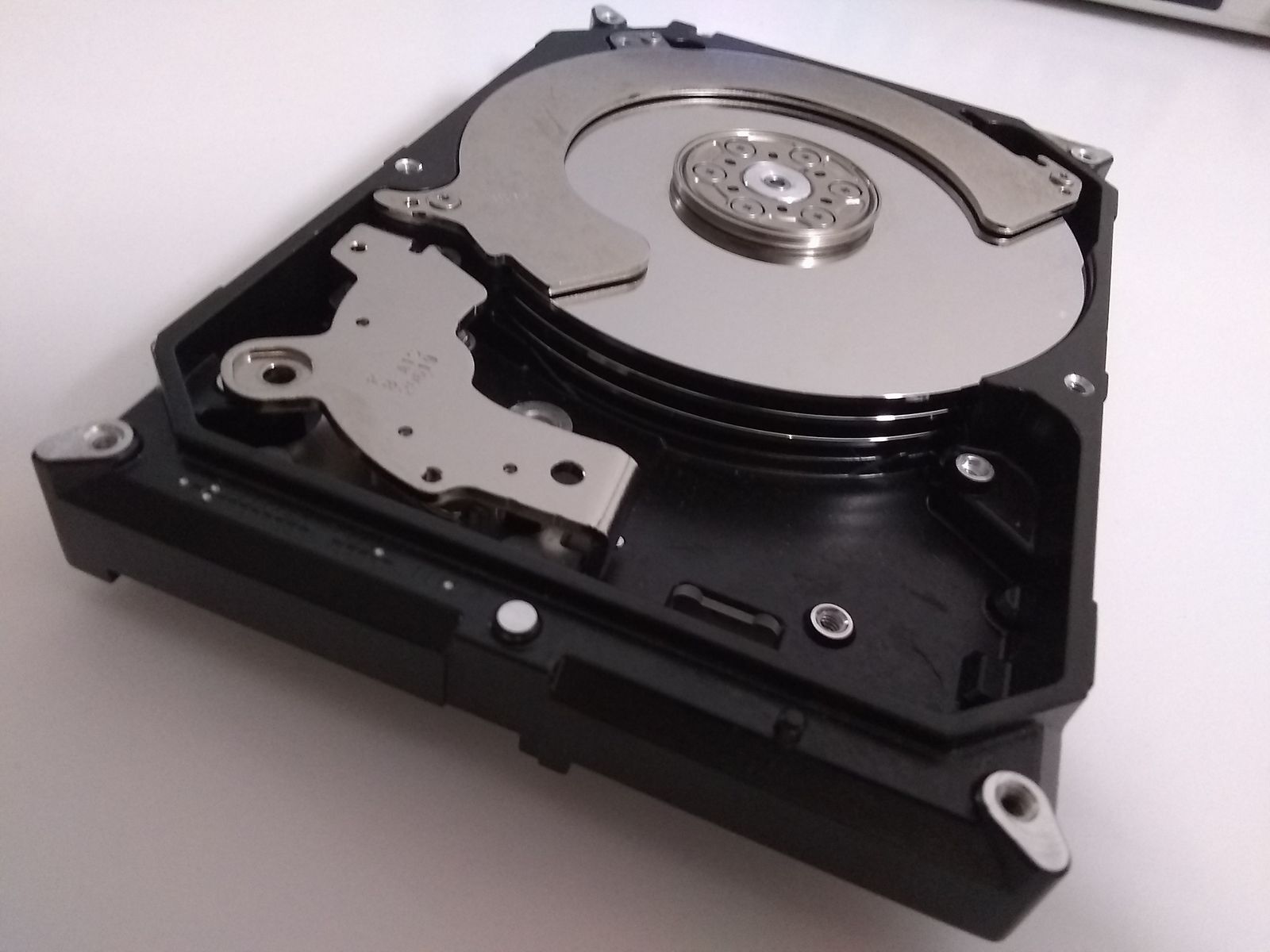
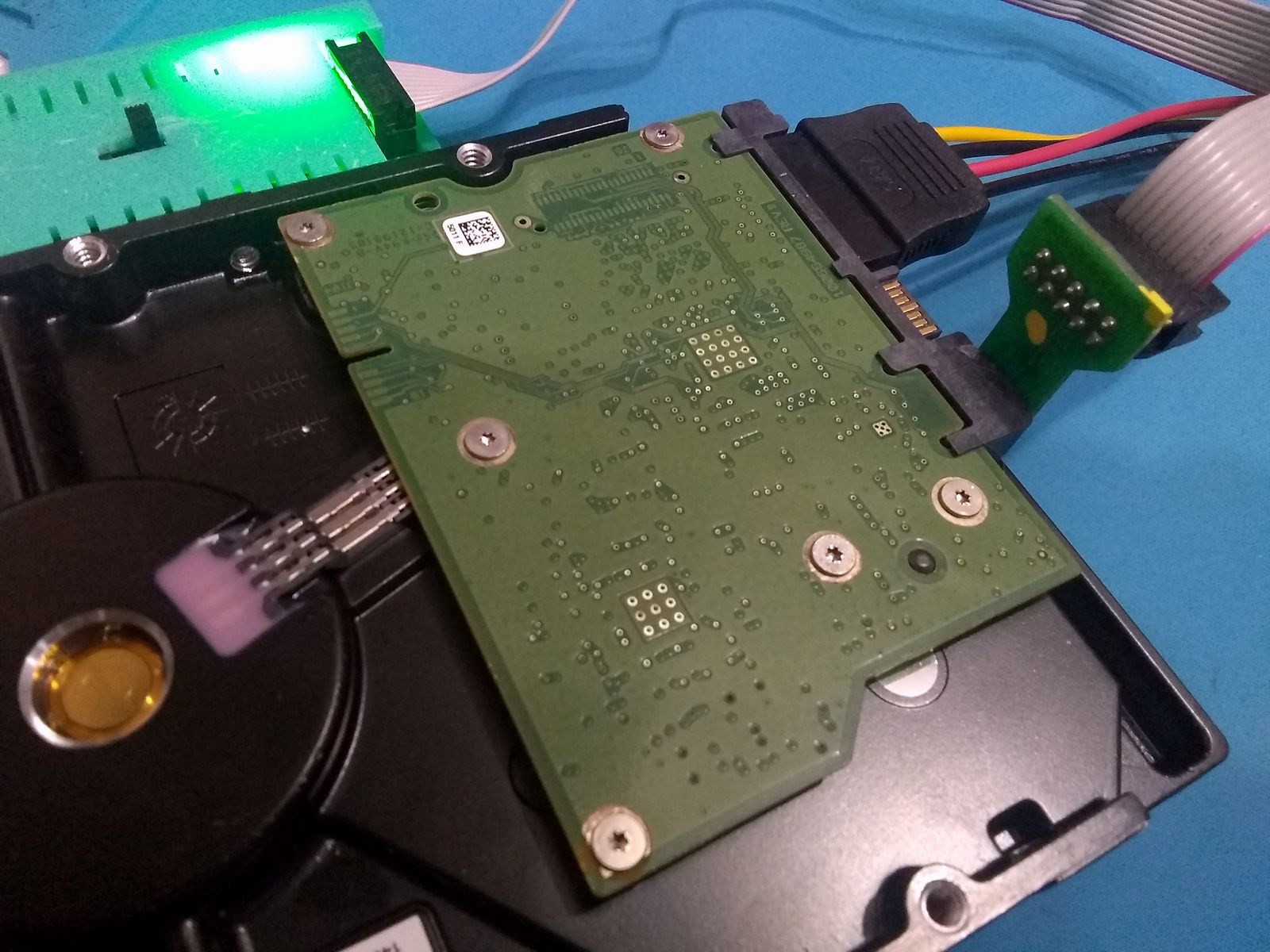
Firmware & Service Area Repair
Restoring corrupted internal operating modules and system data tracks located directly on the hard drive platters.
File Verification
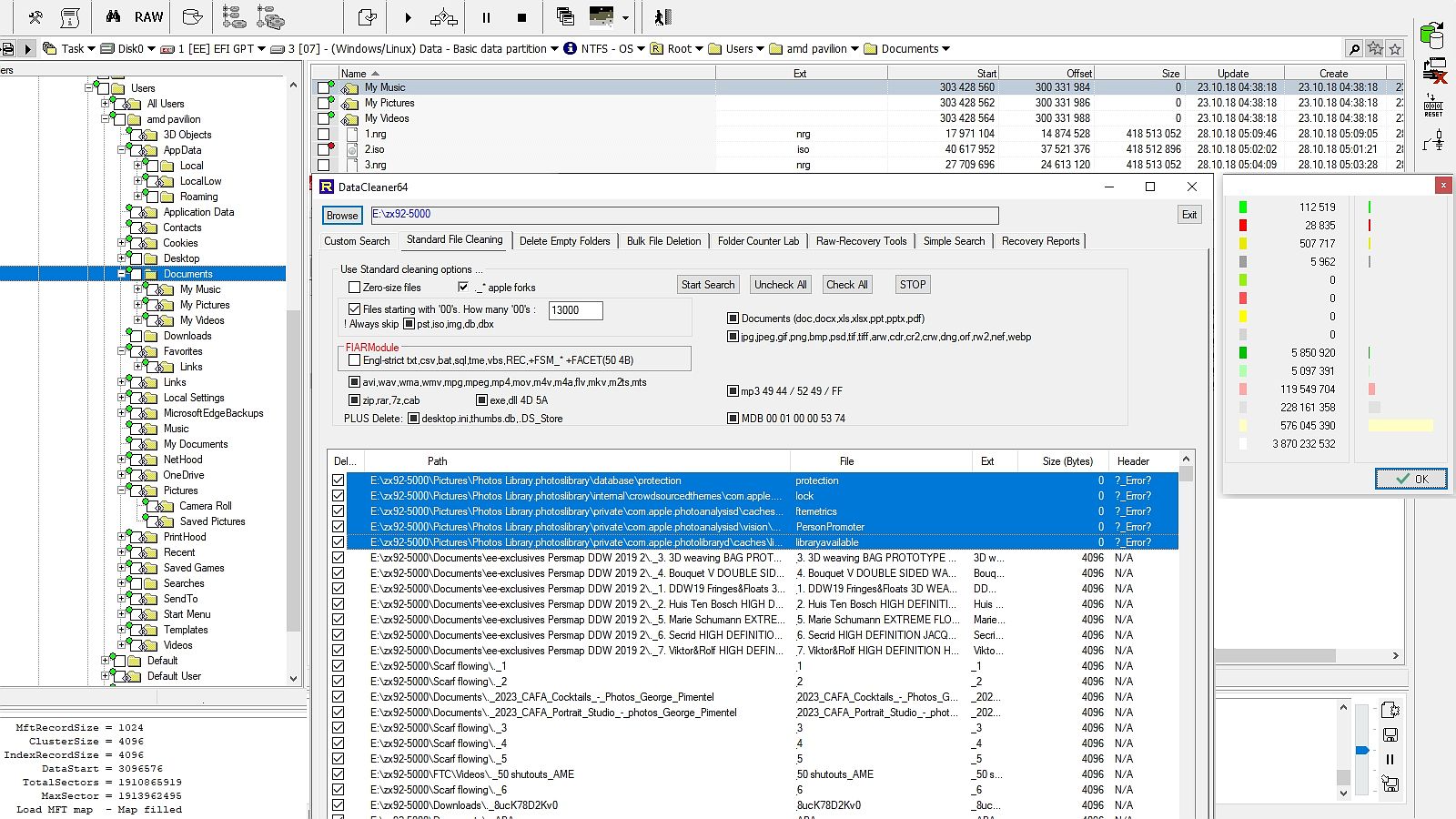
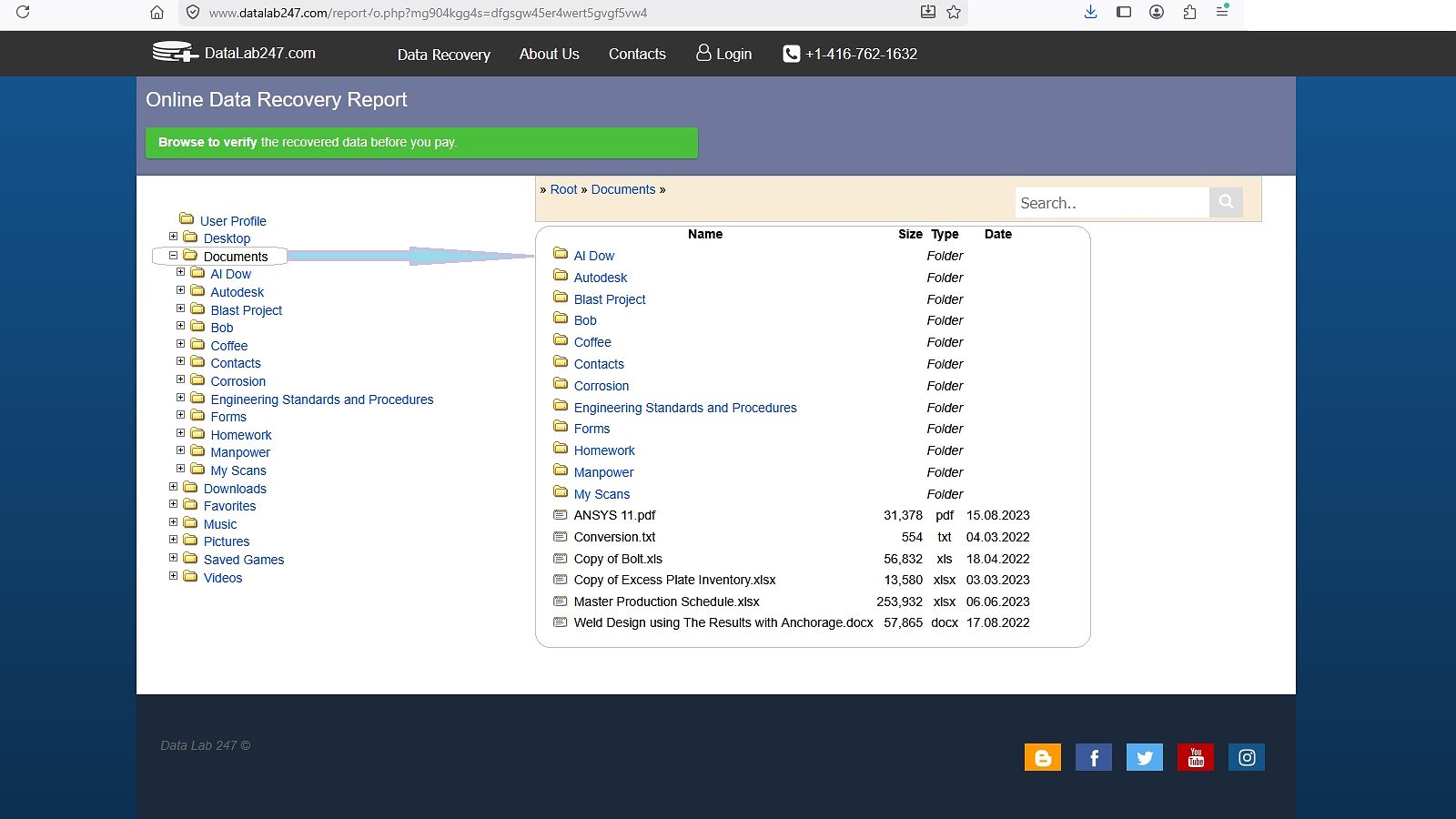
Clients securely preview their recovered file tree structure before making payment.
ISO Class 5 Specification Clean Workstations
To safely open and inspect damaged drive interiors, our lab utilizes specialized clean-room benches engineered precisely to ISO Class 5 dust-free specifications. Having successfully processed thousands of delicate drive recoveries in-lab, our senior specialists rely on proven, high-tier air filtration environments to guarantee platter safety, avoiding outside facility auditing to maintain total data privacy for our clients.
Common Hard Drive Failure Scenarios We Resolve
Mechanical Failures
Repetitive clicking, ticking, clunking, or buzzing sounds. Complete spindle freezes, motor friction, and sudden head crashes requiring physical intervention inside a controlled environment.
Logical & Firmware Errors
Drive is completely undetected by your system, accidentally formatted, corrupted by partition drops, or frozen by SMR background sector reallocation glitches.
Electrical Damage
Dead drives caused by power surges, static shocks, incorrect power cables, or visible burnt elements on the controller circuit board (PCB).
The Science of Hard Drive Recovery
Crashed Heads & Mechanical Drive Failures
While hard drives are more vulnerable to physical shocks than SSDs - especially after being accidentally dropped, they offer a significantly higher probability of successful recovery following mechanical failure. Because data is stored magnetically on spinning platters, a skilled specialist can often achieve full data extraction simply by salvaging the platters and replacing the surrounding mechanical or electronic components. To safely stabilize and resolve these severe physical failures, our laboratory utilizes precision engineering tools and advanced micromechanics techniques:
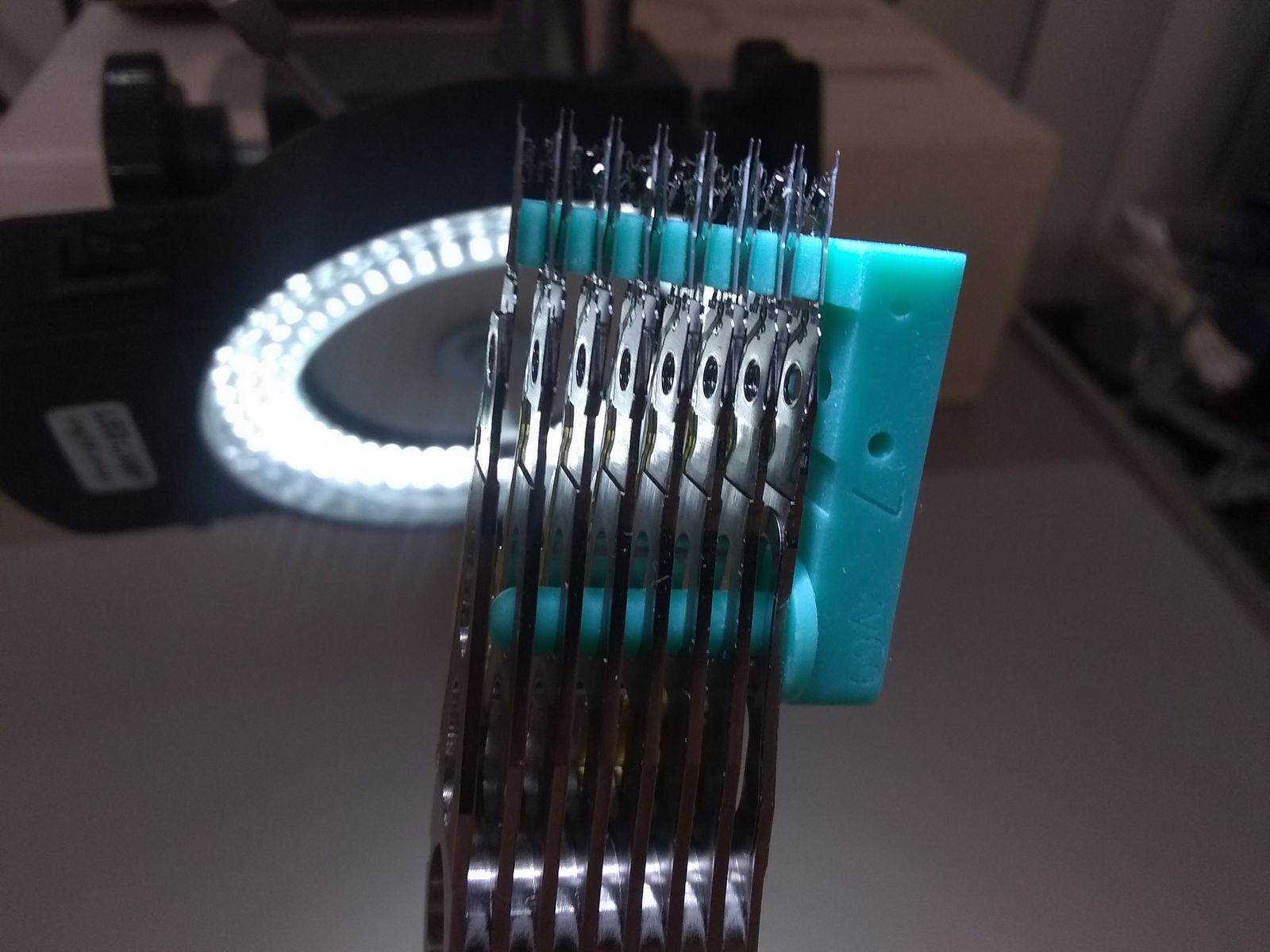
- Head Replacement Techniques: We use specialized head replacement combs alongside secure magnet removal and installation devices to safely lift, isolate, and swap crashed or bent read/write heads without allowing them to touch or scratch the delicate platter surfaces.
- Spindle and Motor Release: Our engineers apply custom spindle lock openers to overcome seized bearings, motor friction, or complete spindle freezes, successfully restoring the necessary platter rotation.
- Platter Extraction and Realignment: We utilize micro-engineering platter exchange and alignment jigs to safely extract and transfer the magnetic disks to a functional donor chassis if the original motor or casing is warped.
- Advanced Surface Imaging: Even in cases of partial surface degradation or platter scoring from a severe head crash, our specialized laboratory imaging equipment can successfully bypass physically damaged zones to retrieve your critical files.
Firmware & Service Area Repair
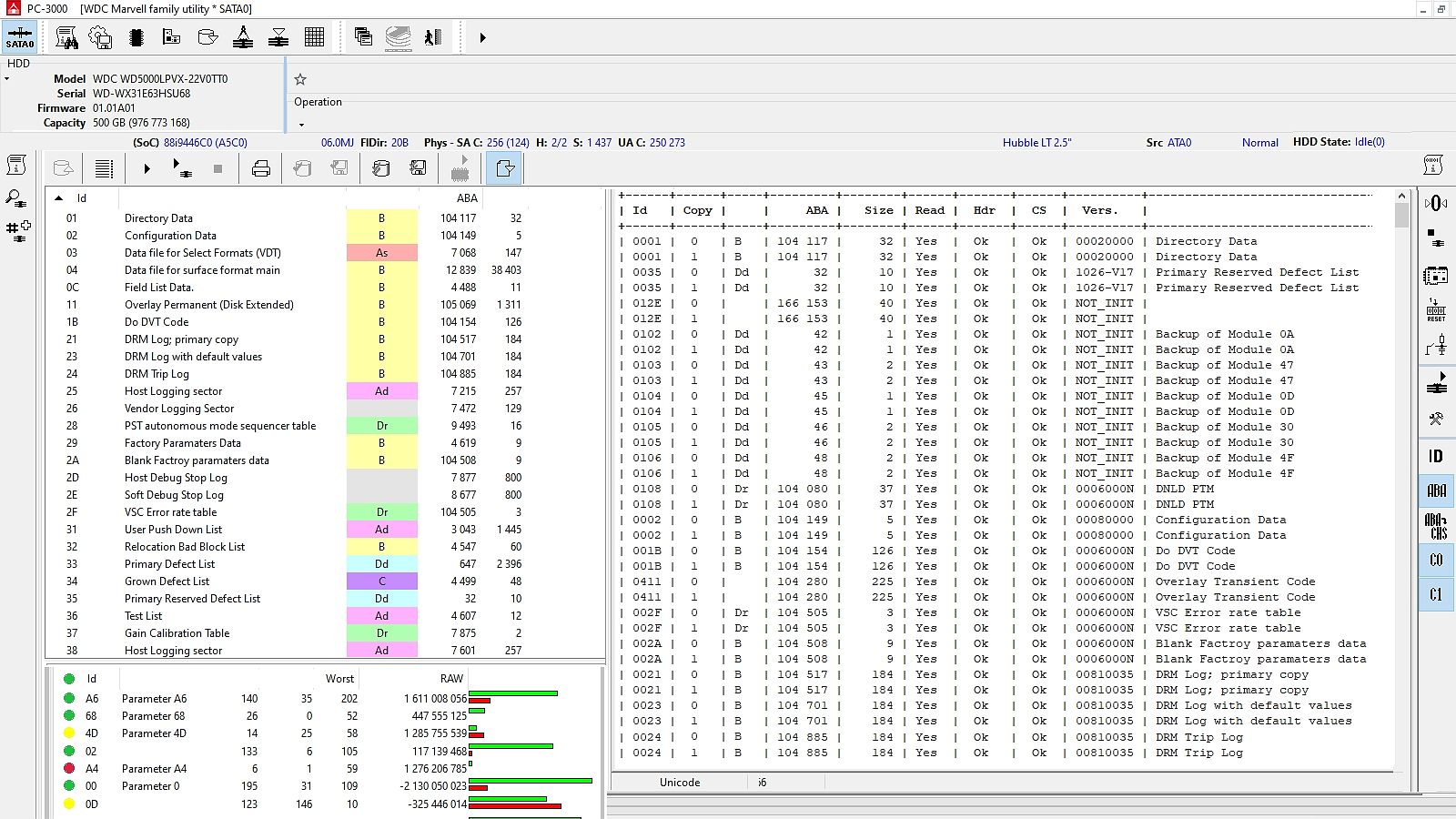
Modern hard drives rely on a hidden internal operating system split into individual functional system modules and files, stored within a dedicated system zone known as the Service Area (SA). When these modules become corrupted, the drive fails to initialize, clicks, or reports an incorrect capacity. Our engineering lab completely bypasses these locks by interacting directly with the drive's system tracks and controller code using specialized vendor commands:
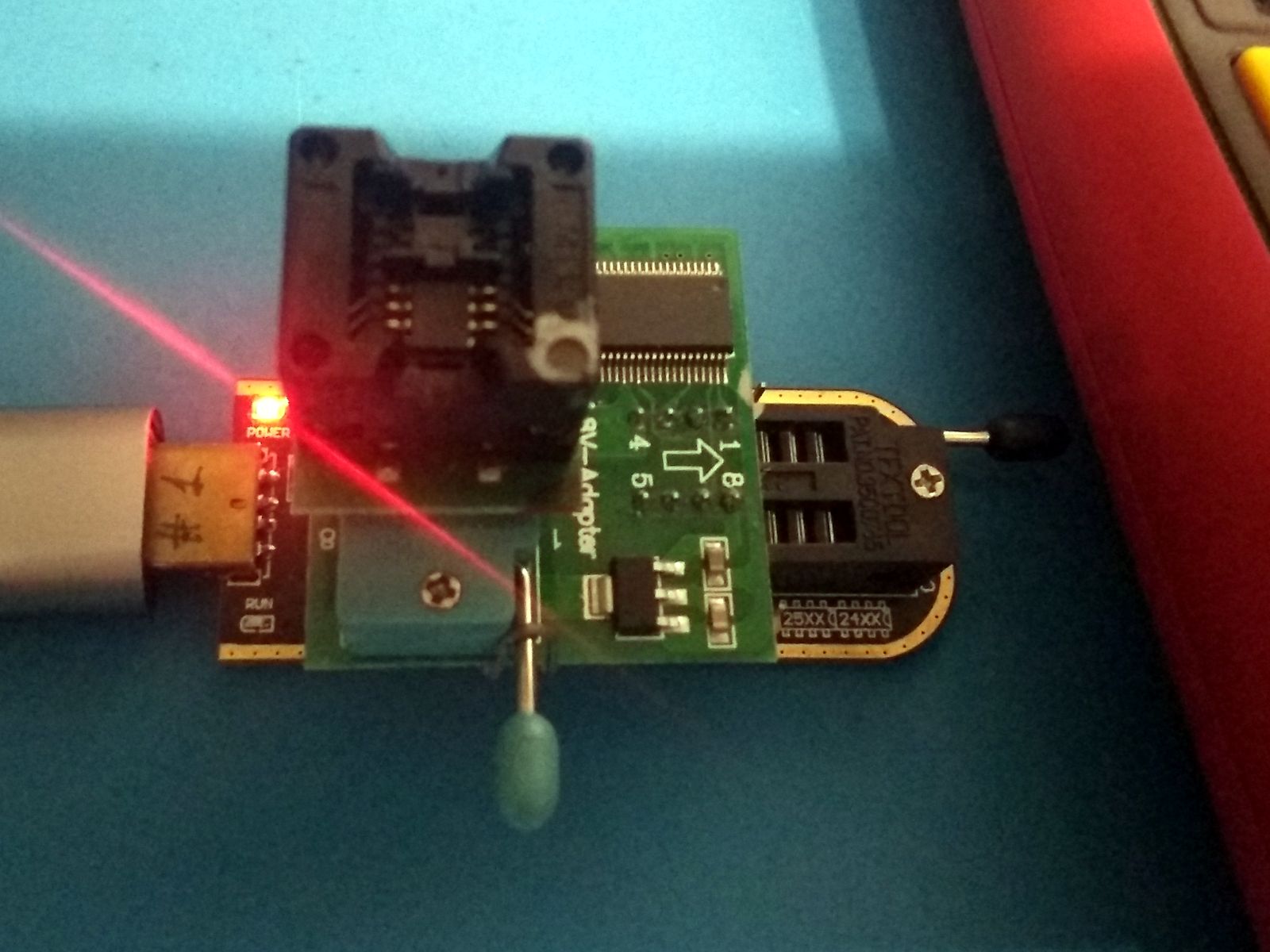
- Technological Regime Access: For modern Seagate drives, we patch the physical ROM chip and core tracking modules to safely bypass startup loops and force the drive into a low-level diagnostic state, such as the >T3 terminal mode.
- Critical Module Extraction: We isolate and back up critical drive-functioning data and adaptives, prioritizing both copies of module 50 MCMT on modern Seagate architectures (including Rosewood, Kahuna, Evans, and other multi-platter SMR families) before the failing hardware degrades further.
- Module Refurbishing and Locking: Our engineers clean corrupted defect lists, write custom firmware fixes back to the drive to permanently disable destructive background self-tests, and load custom code into the OZY overlay buffer to enforce strict write-protection using specific system files like the 20D and 20E modules.
- SMR Translator Reconstruction: For Western Digital drives like Charger or Palmer architectures, we employ similar module backup techniques but focus heavily on retrieving the second-level translator module 90, rebuilding it when necessary to recover lost or "trimmed" data on SMR drives.
- Cross-Brand Service Area Repair: For all other major hard drive manufacturers, we perform deep system area diagnostics, rebuilding broken structural modules and repairing the internal operating parameters to safely stabilize the device for data extraction.
Our Professional Data Recovery Process
Step 1: Immediate Lab Check-In & Queue Management
Every incoming drive is immediately logged into our secure tracking database. Your storage media is physically tagged, assigned a unique case profile, and routed directly to our secure queue or prioritized immediately if marked for emergency triage.
Step 2: In-Lab Forensic Diagnostics
Once your drive arrives at our laboratory, our engineers perform a comprehensive diagnostic evaluation. This is not a superficial automated scan; senior specialists carefully examine the exact mechanical, electrical, and firmware state of your media through a rigorous in-lab process:
- Clean-Room Inspections: We execute physical internal examinations within custom-engineered, dust-free workstations built strictly to ISO Class 5 air purity specifications to safely check the health of the read/write heads and platters.
- Hardware Bench-Testing: Our engineers isolate and test the controller board (PCB) component-by-component to identify electrical failures or short circuits.
- Firmware Reverse-Engineering: We read and patch hidden internal drive system tracks, bypassing vendor locks and corruption to uncover the path to recovery.
- Write-Protected Cloning Layer: All diagnostics are handled via specialized hardware-level equipment that locks out write operations, entirely preventing further wear to your unstable media.
By mapping out these failures precisely before attempting data extraction, we maximize the recovery success rate while protecting the fragile state of your original storage device.
Step 3: Comprehensive Engineering Report & Choice
At this stage, you maintain complete control: review the definitive diagnostic findings and choose whether to authorize the final data extraction or decline the case under our fixed pricing quote policy.
Step 4: Advanced Extraction & Clean Delivery
Once approved, the required mechanical, electronic, or firmware repairs are finalized. Data is systematically extracted and verified for integrity using a highly precise laboratory process:
- Sector-by-Sector Imaging: We create a bit-by-bit clone of the drive to work from, ensuring we do not stress your original damaged hardware.
- Prioritizing Fragile Data: We recover the most critical, easiest-to-reach data first before a failing drive completely dies.
- Targeted Retries: Our systems precisely skip over heavily physically damaged areas (bad sectors) and return to them later with specialized read settings.
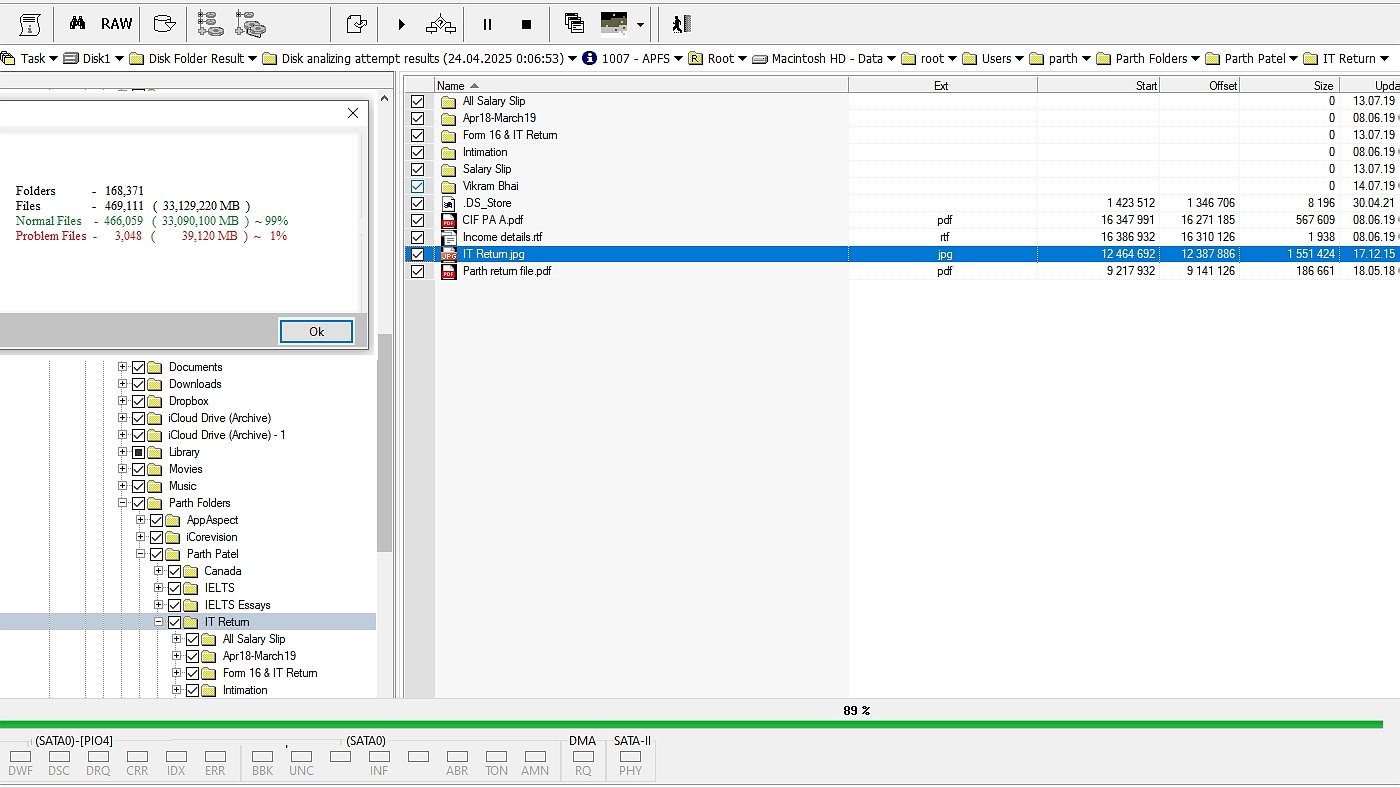
- Automated Integrity Verification: Our software automatically identifies hardware-damaged or scratched sectors, isolates those corrupt or partially recovered files into a separate folder, and generates a detailed report viewable in our online data recovery browser. Simultaneously, logically corrupted files are detected and filtered out at the hex-header level using our proprietary 'Data Cleaner' utility, developed and utilized exclusively by Data Lab 247 specialists.
Your verified files are then safely transferred over to the target storage media (available for purchase or user-provided) for delivery. To ensure complete privacy during transit, secure data encryption is also available upon request prior to shipment.